
Dogecoin Explained: How a Joke Became a Real Cryptocurrency
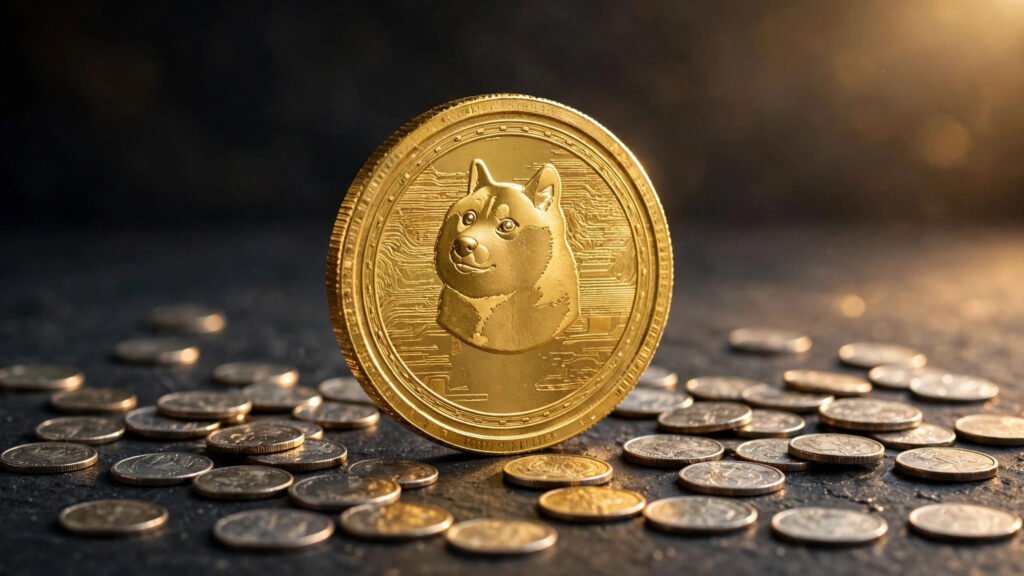
Dogecoin began as a joke, and that is exactly why so many people first noticed it. In 2013, two software engineers created it as a lighthearted alternative to Bitcoin, using the popular Shiba Inu dog meme as its mascot. The idea was not to build a serious financial system, but to poke fun at the flood of new cryptocurrencies appearing at the time. Yet the joke caught on, a community formed around it, and Dogecoin gradually became a real, working cryptocurrency that people could send, receive, and spend.
Understanding Dogecoin is a useful way to understand cryptocurrency more broadly. It shows how open-source software, online communities, and simple technology can combine to create something that lasts far longer than its creators expected. It also shows why popularity alone does not make an asset safe or suitable for everyone. This guide explains where Dogecoin came from, how it works, and what beginners should keep in mind.
The Origin of Dogecoin
Dogecoin was created in December 2013 by Billy Markus and Jackson Palmer. At the time, Bitcoin was gaining attention, and many new coins were being launched, often with grand claims. Markus and Palmer wanted to make something fun and approachable instead. They based Dogecoin on Litecoin, another early cryptocurrency, and gave it the friendly face of the Doge meme, complete with playful phrases such as “such wow” and “very currency.”
The timing mattered. Online communities, especially on Reddit, embraced Dogecoin because it felt welcoming rather than intimidating. People tipped each other small amounts of Dogecoin for funny posts, helpful comments, and creative work. Those tiny tips introduced thousands of people to digital wallets and transactions without requiring them to understand complex technology first. In that sense, Dogecoin became an informal introduction to crypto for many beginners.
How Dogecoin Works
Like Bitcoin, Dogecoin runs on a blockchain, a public ledger that records transactions in blocks linked together in order. When someone sends Dogecoin, the transaction is broadcast to the network, checked by participants, and added to the blockchain. Once recorded, it is difficult to change, which helps prevent the same coins from being spent twice.
Dogecoin uses a system called proof of work. Computers, known as miners, compete to solve computational puzzles, and the first to succeed earns the right to add the next block and receive newly created Dogecoin as a reward. This process secures the network, but it also uses significant computing power and electricity, a trade-off shared by several early cryptocurrencies.
One important difference from Bitcoin is supply. Bitcoin has a fixed maximum supply of 21 million coins. Dogecoin has no maximum supply, and new coins are created with every block. Supporters argue that this steady creation encourages spending and tipping rather than hoarding. Critics argue that ongoing creation can dilute value over time if demand does not keep pace. Both points help explain why supply design matters when comparing cryptocurrencies.
Why Did a Joke Coin Become So Well Known?
Dogecoin’s rise was driven less by technical breakthroughs than by culture and community. Its mascot was instantly recognizable, its tone was humorous, and its community organized charitable fundraising efforts, including sponsoring a NASCAR car and helping fund clean-water projects. These stories gave Dogecoin attention far beyond typical cryptocurrency news.
Later, social media and celebrity mentions brought Dogecoin to an even wider audience. Prices rose sharply at times, attracting new buyers who had never owned cryptocurrency before. That attention also created sharp falls, reminding observers that popularity on social media is not the same as long-term stability. Dogecoin’s history is therefore a good case study in how sentiment, attention, and speculation can move markets quickly.
What Beginners Should Understand Before Getting Involved
First, Dogecoin is highly volatile. Its price can move dramatically in a short period, often in response to social media trends rather than changes in its underlying technology. Beginners should therefore treat any involvement as educational and be prepared for large swings, rather than expecting steady growth.
Second, security works the same way as with other cryptocurrencies. Whoever controls the private keys controls the coins, so losing keys or sharing them with a scammer can mean losing funds permanently. Using reputable wallets, enabling security features, and being cautious about giveaway scams and impersonators are essential habits, especially because Dogecoin’s friendly image is sometimes used by fraudsters to appear trustworthy.
Third, it helps to separate the community from the investment case. A fun community and a memorable mascot can make learning enjoyable, but they do not guarantee future value. Reading about how the network is maintained, how new coins are issued, and how it compares with other cryptocurrencies gives a clearer picture than following price charts or online hype alone.
Conclusion
Dogecoin started as a parody, but it survived because people found it useful, entertaining, and easy to understand. It introduced many newcomers to wallets, transactions, and blockchain concepts, and it remains one of the most recognizable names in crypto. At the same time, its story is a reminder that attention is not a substitute for understanding. For beginners, Dogecoin is best approached as a lesson in how communities, culture, and technology can shape a cryptocurrency, and why careful research matters before making any financial decision. This article is for education only and is not financial advice.