
Crypto Wallets Explained: Hot Wallets vs Cold Wallets
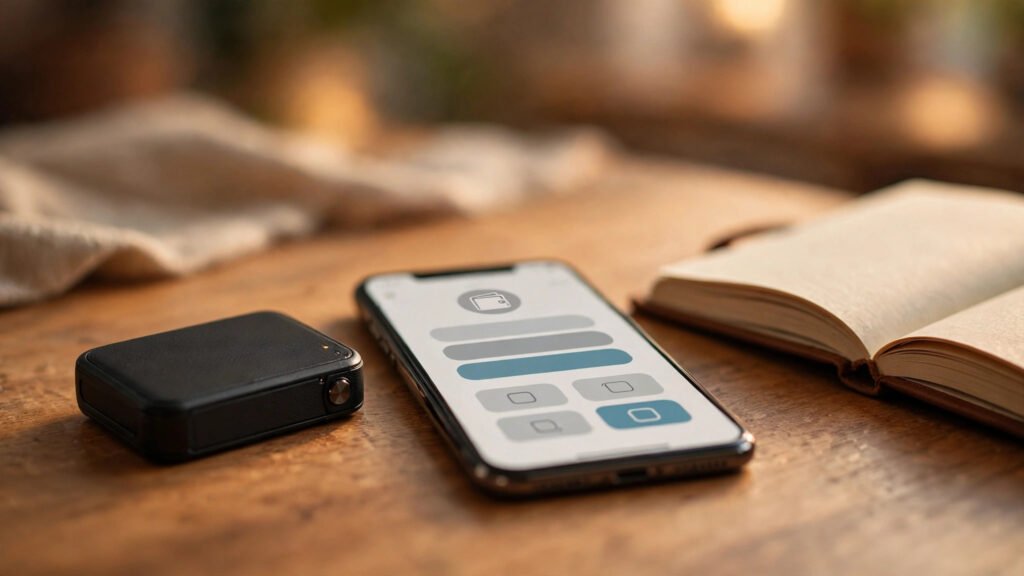
If you own cryptocurrency, you do not actually store coins inside an app the way you store cash in a physical wallet. Instead, you control private keys — secret codes that prove you can move funds recorded on a blockchain. A crypto wallet is the tool that creates, stores, and uses those keys, and the choice of wallet affects how convenient and how safe your crypto is day to day.
The most useful starting distinction is between hot wallets and cold wallets. A hot wallet is connected to the internet, while a cold wallet keeps its keys offline. Neither type is right for everyone, and many experienced users use both for different purposes. This guide explains how each type works, in plain language, without recommending any specific product.
What Is a Crypto Wallet, Really?
A wallet does not hold coins themselves. Coins live as balances on a blockchain, and your wallet holds the keys that let you sign a transaction to move them. Think of the public key as an account number you can share, and the private key as the password that must never be shared. If someone gets your private key or your recovery phrase, they can move your funds.
Most wallets also give you a recovery phrase, usually 12 or 24 words, when you first set them up. That phrase can restore your wallet on another device, which is why it must be written down and kept somewhere safe and private. Losing both your wallet and your recovery phrase can mean losing access permanently, because there is usually no customer service that can reset it for you.
Hot Wallets: Convenient and Connected
Hot wallets include mobile apps, desktop apps, browser extensions, and accounts on exchanges. Because they are online, they are quick to open and easy to use for sending, receiving, swapping, and connecting to apps. For small amounts you use often, that convenience is a real advantage.
The trade-off is exposure. Anything connected to the internet can be targeted by malware, phishing sites, and fake apps. An exchange account adds another risk: you are trusting a company to hold keys on your behalf, so its security and solvency matter too. Hot wallets are best thought of as a spending wallet, not a vault.
Cold Wallets: Offline and More Deliberate
Cold wallets keep private keys offline, most commonly on a hardware device that looks like a small USB stick, or on paper. To send funds, you usually connect the device briefly, approve the transaction on its screen, and then disconnect it again. That extra step is the point: keys that are not online are much harder for remote attackers to steal.
Cold storage is often used for larger amounts that are not needed every day. It is less convenient, it costs money to buy a device, and you still have to protect the recovery phrase and the device itself. A hardware wallet does not protect you if you are tricked into approving a bad transaction or if you share your recovery phrase with a scammer.
How to Choose Between Them
A common approach is to split funds by use. Keep a smaller amount in a hot wallet for everyday activity, and keep longer-term holdings in cold storage. That way, a problem with one wallet does not affect everything you own. Whatever you choose, enable extra protections where available, such as a PIN, a passphrase, and two-factor authentication on any exchange account.
Before moving a large amount, practise with a small test transaction and double-check the receiving address. Scammers often impersonate support teams, wallet companies, and giveaways, and they will never legitimately ask for your private key or recovery phrase. If someone asks for it, that is a scam, no matter how official they sound.
Conclusion
Hot wallets and cold wallets are not rivals; they solve different problems. Hot wallets offer speed and convenience for frequent use, while cold wallets offer stronger protection by keeping keys offline. Understanding that trade-off, protecting your recovery phrase, and using each type for what it does best will help you manage crypto more safely and with less stress. Take your time, start small, and never rush a transaction you do not fully understand.